Modern Resume Trends in 2026 Strategies to Stand Out and Get Hired
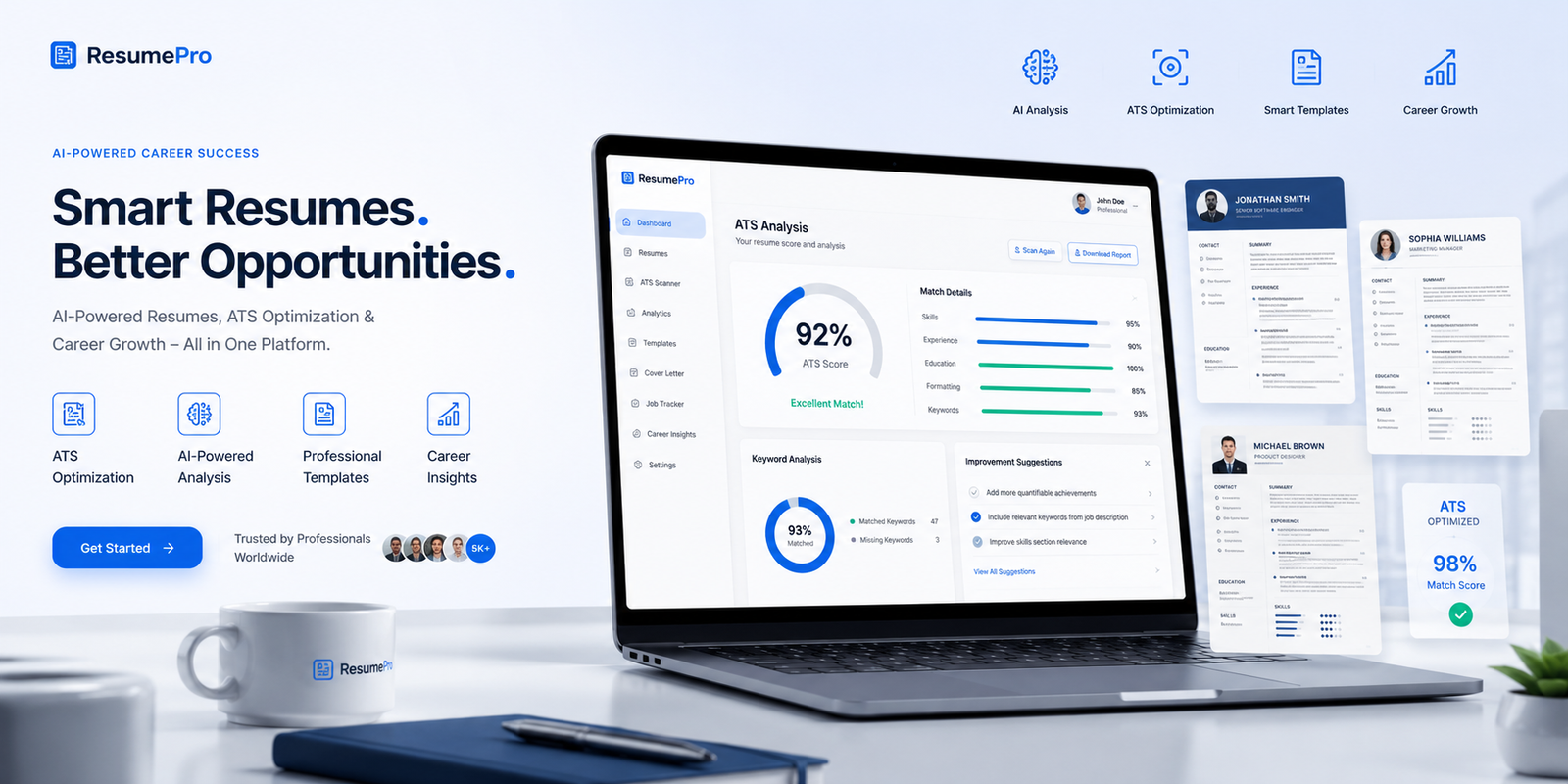
The job market has undergone a significant transformation in recent years, influenced by technological advancements, evolving employer expectations, and shifting workforce dynamics. Traditional resumes, which once served as the cornerstone of job applications, are increasingly seen as outdated in this fast-paced environment. As job seekers navigate this changing landscape, understanding the current resume trends is essential to stand out in a competitive job market.
The Evolving Landscape of Job Applications
In today's digital world, the conventional text-based resume often fails to convey a candidate's full potential. Employers are looking for more than just a chronological list of experiences; they seek compelling narratives that reflect a candidate's unique skills, achievements, and compatibility with organizational culture. As a result, which once focused solely on tasks and responsibilities, has evolved to encompass a broader range of formats and presentation styles. Infographics, video resumes, and portfolio websites have emerged as popular alternatives that allow job seekers to showcase their work creatively.
The necessity to adapt resumes to current trends can also be attributed to the introduction of Applicant Tracking Systems (ATS), which many employers use to filter candidates. Job seekers must ensure that their resumes meet specific requirements, such as including keywords relevant to the position they are applying for. This means that a one-size-fits-all approach is no longer sufficient; customization is critical. Furthermore, online profiles, such as those on LinkedIn, have become integral to personal branding and networking, prompting candidates to extend their personal narratives beyond the traditional resume.
In summary, adapting to the evolving landscape of job applications is crucial for job seekers aiming for success. Embracing modern resume trends not only enhances a candidate's marketability but also better connects them to potential employers in today’s fast-evolving work environment.
Why Traditional Text-Heavy Resumes No Longer Work
In recent years, the job market has undergone significant changes that have reshaped hiring practices and expectations regarding resumes. Traditional resumes, often characterized by their densely packed text and a lack of visual appeal, are becoming increasingly ineffective in capturing the attention of hiring managers. One of the main reasons for this shift is the overwhelming volume of applications that recruiters receive, which necessitates quicker ways to evaluate candidates.
Today’s hiring professionals are looking for resumes that stand out immediately, and a visually appealing layout can play a critical role in making that first impression. Rather than wading through heavy paragraphs of text, recruiters now favor concise information that can be quickly scanned. This has led to an emphasis on key accomplishments, skills, and experiences presented in bullet points or short statements, allowing for easier extraction of the most relevant details.
Moreover, advancements in applicant tracking systems (ATS) further compound the inadequacy of text-heavy resumes. Many organizations implement these systems to filter applications based on keywords and phrases that align with the job description. This means that candidates need to ensure their resumes are structured in a way that is not only readable but also optimized for digital parsing. As a result, a resume that is cluttered with excessive wording tends to suffer when it comes to these technological assessments.
Additionally, the newer generation of job seekers is increasingly accustomed to digital formats that offer an interactive or visually engaging experience. As visual content continues to dominate online platforms, the expectation for resumes to follow suit has risen. A more contemporary approach—employing infographics, strategic use of color, and innovative layouts—can resonate more effectively with today’s employers.
Ultimately, in this rapidly evolving job environment, adopting a more succinct and visually driven resume format is essential for candidates aiming to enhance their chances of success.
The Importance of ATS Optimization

The modern hiring landscape has evolved significantly with the advent of Applicant Tracking Systems (ATS). These automated tools are now integral to the recruitment process, enabling employers to streamline the application review process by filtering out resumes that do not meet job specifications. As a result, understanding the role of the ATS is crucial for job seekers aiming to improve their chances of passing this initial screening.
To optimize resumes for ATS effectively, candidates must ensure that their documents are formatted in a manner that is easily readable by these systems. This entails using standard headings, avoiding complex designs, and utilizing file formats that ATS can process—typically .docx or .pdf. More importantly, the incorporation of relevant keywords from the job description is essential. Keywords are specific terms or phrases that relate to job requirements and skills. By embedding these strategically throughout a resume, candidates can enhance their visibility within the ATS.
Furthermore, job seekers should focus on maintaining a natural tone throughout their resume. While it is necessary to integrate keywords, they should do so seamlessly within the context of their experience and skills. Writing in a coherent and professional manner not only aids in ATS optimization but also ensures that the resume appeals to human recruiters who may review it after passing through the ATS filter. To achieve this balance, candidates should consider employing synonyms or variations of keywords to enrich their content while avoiding repetition. For instance, instead of consistently using the term "project management," a job seeker might alternate with "project coordination" to convey the same competence. By thoughtfully optimizing resumes for ATS, candidates can enhance their chances of securing interviews and ultimately landing their desired roles.
Replacing the Objective Statement with a Professional Summary
In today's competitive job market, the traditional objective statement on resumes is increasingly being replaced by a more impactful professional summary. This shift reflects a growing recognition that prospective employers are more interested in a candidate's qualifications, skills, and relevant experiences than in their career aspirations. A professional summary serves not merely as an introduction but as a compelling advertisement of a candidate's capabilities tailored to specific job descriptions.
A well-crafted professional summary focuses on the most pertinent skills and experiences that relate closely to the position for which one is applying. Instead of generically stating career goals, applicants can highlight their key accomplishments, industry knowledge, and technical proficiencies. This approach allows candidates to create a strong first impression, demonstrating their value proposition right from the start of their resume.
Moreover, incorporating a professional summary allows job seekers to convey a sense of direction and purpose. By synthesizing their background into a concise statement, candidates provide hiring managers with a snapshot of what they bring to the role. This does not only facilitate an easier assessment of suitability but also encourages hiring professionals to delve deeper into the resume, leading to enhanced engagement.
In addition, professional summaries lend themselves well to personalization for each application. This means candidates can adjust their summaries based on the specific skills and experiences that align with the job description, thus enhancing the relevance of their resumes. Such customization signals to employers a genuine interest in the position and an understanding of the company’s needs.
In conclusion, substituting the objective statement with a succinct professional summary adds substantial weight to a resume. It allows applicants to effectively present themselves in alignment with job expectations, thereby increasing their chances of advancing in the hiring process.
Quantifying Achievements: The New Standard
In today's competitive job market, the traditional approach of listing job duties on a resume is increasingly being supplanted by a focus on quantifying achievements. This shift has established a new standard where candidates are encouraged to articulate their successes in measurable terms. Quantifying achievements provides potential employers with a clearer, more compelling picture of a candidate's capabilities and contributions.
To effectively quantify achievements, job seekers should focus on using specific metrics that illustrate the impact of their work. For example, instead of stating a responsibility such as "Managed a sales team," a more compelling approach would phrase it as "Led a sales team that increased revenue by 20% over one year through strategic account management and team coaching." This not only conveys responsibility but also highlights the tangible results of actions taken.
Moreover, candidates should utilize data-driven narratives that incorporate relevant statistics and figures. For instance, a project manager might declare, "Successfully delivered a project 10% under budget and two weeks ahead of schedule, resulting in savings of $50,000 for the company." Using such quantifiable outcomes demonstrates effectiveness and can significantly enhance a resume's appeal.
Beyond numbers, the presentation of these data points can further engage prospective employers. Utilizing bullet points for clarity, coupled with bold or italicized text to emphasize figures or percentages, can make pertinent achievements stand out. In a digital era where visual formatting can capture attention quickly, this method can be particularly effective.
Ultimately, integrating quantifiable achievements into a resume is not merely a trend; it is a vital strategy that resonates with hiring managers. By focusing on metrics, candidates can transform their resumes into powerful tools that communicate their unique value propositions and readiness to contribute to an organization’s success.
Formatting Trends for 2026: Minimalist vs. Graphic Designs
The landscape of resume formatting has evolved significantly over recent years, with a notable shift towards cleaner, minimalist designs aimed at enhancing readability and showcasing professionalism. Minimalist resume designs prioritize simplicity, using ample white space, straightforward fonts, and concise content. These elements work together to create a harmonious design that directs attention to the key information, such as skills and work experience. Conversely, graphic designs employ various visual elements such as illustrations, vibrant colors, and custom layouts to create visually appealing resumes. While this approach can effectively highlight creativity, it often risks overshadowing the content itself.
One of the primary advantages of minimalist designs is their adaptability across various industries. Employers across sectors generally favor resumes that communicate professionalism and clarity, characteristics inherently represented through minimalist formats. This trend aligns well with applicant tracking systems (ATS), which parse resumes for specific keywords; a straightforward layout enhances compatibility, increasing the likelihood of passing initial screenings. Moreover, research suggests that hiring managers often prefer resumes that present information in a succinct, organized manner, something achieved efficiently with a minimalist approach.
On the other hand, graphic designs can significantly showcase an applicant’s creative flair, particularly relevant in design-oriented industries such as marketing, advertising, and media. These resumes can create a memorable first impression by visually communicating the applicant’s skills and personality. However, they also carry the risk of appearing cluttered or overly complex, potentially detracting from important information. Moreover, graphic resumes may face challenges when processed by ATS, which could lead to a loss of crucial data.
In conclusion, while both minimalist and graphic resumes have their respective advantages and drawbacks, the prevailing trend for 2026 leans towards minimalist formats. This balanced approach ensures clarity, compatibility, and professionalism, making it a compelling choice for a diverse range of applicants.
Key Elements of an Effective Resume Layout

Designing an effective resume is essential for making a strong first impression on potential employers. The layout of a resume should be both visually appealing and strategically organized to highlight the most relevant qualifications and experiences. The following key elements are crucial for an effective resume layout.
First and foremost, contact information should be prominently displayed at the top of the resume. This includes the candidate's name, phone number, email address, and, if applicable, links to professional social media profiles or personal websites. Having this information readily available ensures that employers can easily reach the candidate.
Next, it is important to incorporate relevant sections that reflect the candidate's background and experience. Common sections to include are an objective statement, work experience, education, and skills. Tailoring these sections to the specific job being applied for can significantly improve the resume's effectiveness. For instance, listing skills that align with the job description can capture the attention of hiring managers.
Another critical element is the effective use of white space. White space not only aids in readability but also prevents the resume from appearing cluttered. Adequate spacing between sections and the use of clear headings can guide the reader's eye through the document. A balanced layout enhances the overall presentation and helps important information stand out.
In addition, utilizing bullet points for listing job duties and accomplishments can streamline content, allowing key achievements to be seen at a glance. This format promotes conciseness and clarity, making it easier for recruiters to digest information quickly.
Lastly, employing a consistent font style and size throughout the resume contributes to a polished look. Choosing professional fonts, such as Arial or Times New Roman, ensures that the resume meets standard expectations while remaining easy to read.
Common Mistakes to Avoid in Modern Resumes
Crafting a resume is a critical step in the job application process, yet many candidates inadvertently fall into common pitfalls that can hinder their chances of securing interviews. One prevalent mistake is failing to tailor the resume for each position. Generic resumes often do not resonate with hiring managers, so it is essential to adapt the content to align with the specific job description. This includes using relevant keywords that reflect the skills and experiences sought by the employer.
Another frequent error is the inclusion of excessive jargon or overly complex language. While some technical terminology may be necessary, overly complicated phrases can detract from the main ideas and alienate readers. Instead, using clear, straightforward language enhances readability and ensures that hiring managers can easily identify qualifications and achievements.
Additionally, many job seekers overlook formatting issues, which can make a resume appear unprofessional. It is vital to maintain a clean, organized layout with consistent fonts, sizes, and spacing. An easy-to-read format not only makes a positive impression but also enables quick comprehension of key information.
Lastly, candidates often underestimate the importance of proofreading. Spelling and grammatical errors can undermine credibility and suggest a lack of attention to detail. Therefore, thoroughly reviewing the resume before submission is crucial, and enlisting a second pair of eyes for feedback can be beneficial.
Avoiding these common mistakes can significantly enhance the effectiveness of a resume, making it a powerful tool in the job search process. By tailoring content, simplifying language, ensuring proper formatting, and meticulously proofreading, candidates can create compelling resumes that attract the attention of potential employers.
Conclusion: Taking Action with Templates
In this blog post, we have explored the current resume trends that can significantly enhance your job application and increase your chances of landing your desired position. It is crucial to recognize that a resume is no longer just a simple list of qualifications and experiences; rather, it has evolved into a strategic tool that effectively markets an individual’s skills and attributes to potential employers.
We discussed the importance of tailoring resumes to each job application, utilizing keywords relevant to the industry, and emphasizing quantifiable achievements. These strategies, combined with the modern design elements such as clean layouts and effective use of whitespace, are paramount in making a memorable first impression. Additionally, the integration of technology in the form of applicant tracking systems must be acknowledged, as it influences how resumes are screened and processed.
Equipped with this understanding of resume trends, we encourage you to take proactive steps in updating your resume. Implementing these contemporary strategies can set you apart from other candidates. To facilitate this process, we provide access to free, professionally designed resume templates that comply with the latest trends. These templates can serve as an invaluable resource, providing a solid foundation for your resume while allowing you to customize your personal touch.
By embracing these current trends and utilizing the available resources, you will be well-positioned to create a compelling resume that not only stands out but also conveys your professionalism and suitability for the roles you aspire to attain. Take action now, and transform your resume into a powerful tool for your career advancement.